Truck freight transportation, freight forwarding and warehouse logistics
This site describes the work of Piedmont Freight & Warehousing LLC: how freight is moved by truck, how shipments are arranged through forwarding, how goods are received and stored in the warehouse, and how a typical shipment is organized.
Services Contact details
Piedmont Freight & Warehousing LLC was registered on November 9, 2019. The company is located at 3120 Wilkinson Blvd in Charlotte, North Carolina, close to Interstate 85 and Interstate 77 and near Charlotte Douglas International Airport.
The company works in three related areas: moving freight by truck, arranging shipments as a forwarder, and storing and handling goods in a warehouse. Its customers are mainly manufacturers, distributors and retailers in the Carolinas and the Southeast.
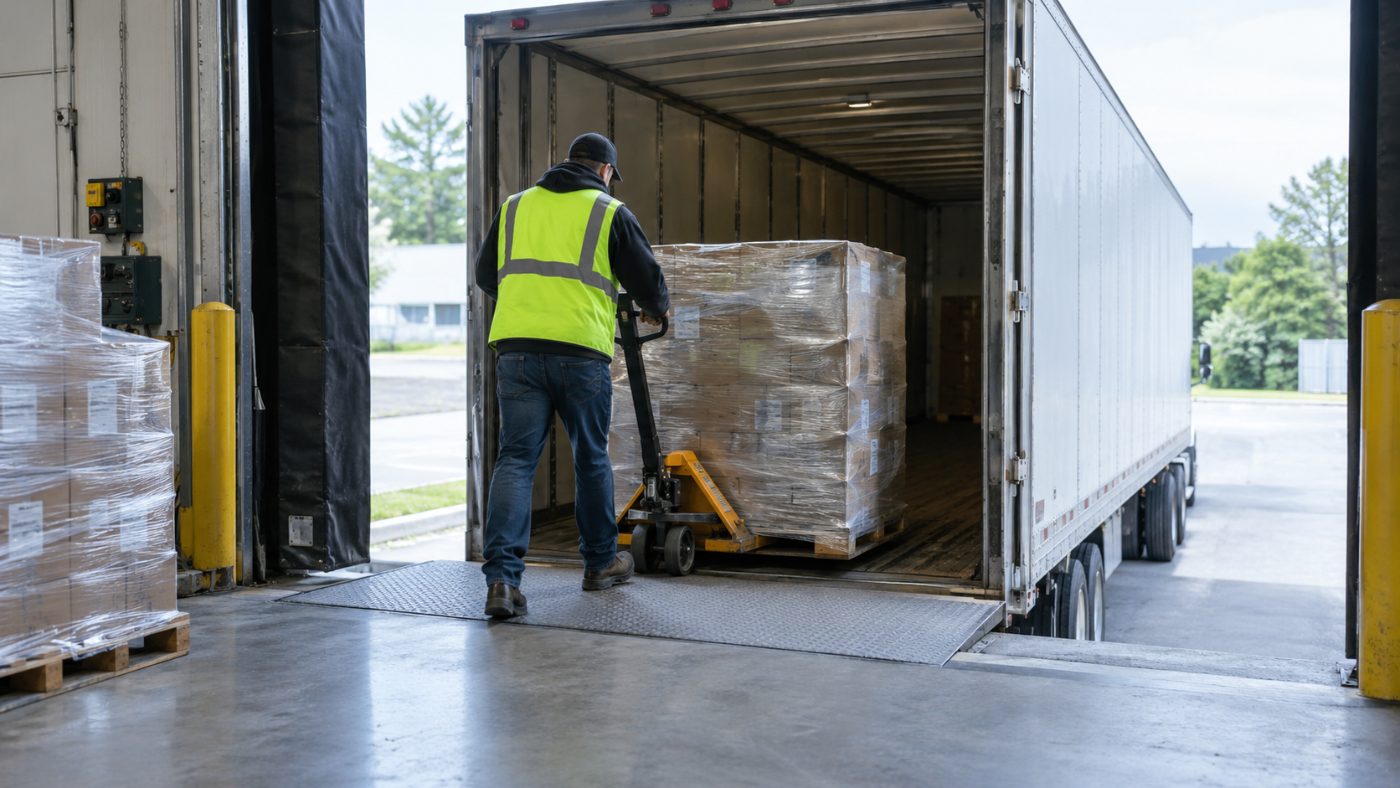
Full truckload and less-than-truckload freight moved on regional and long-distance routes.
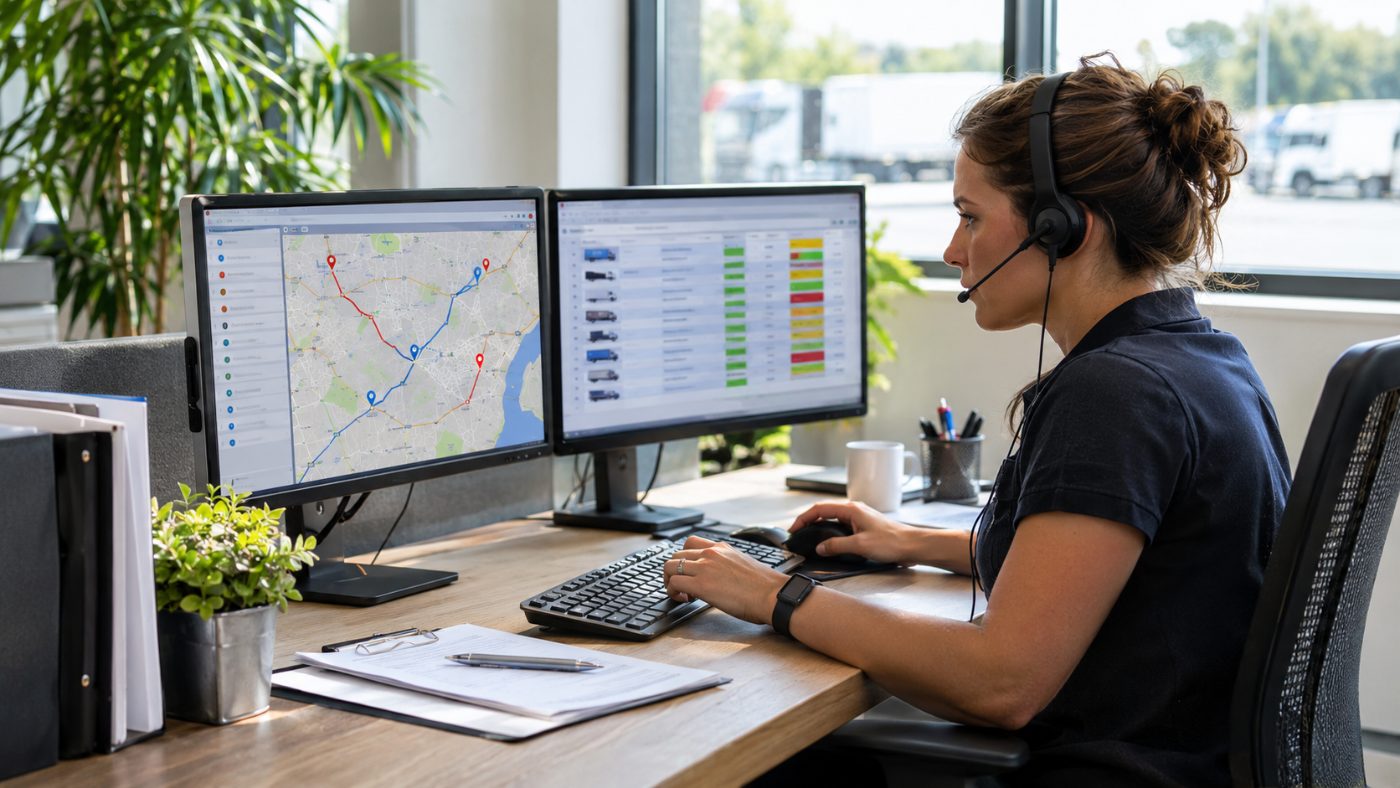
Planning of shipments that involve several carriers, modes of transport or delivery points.
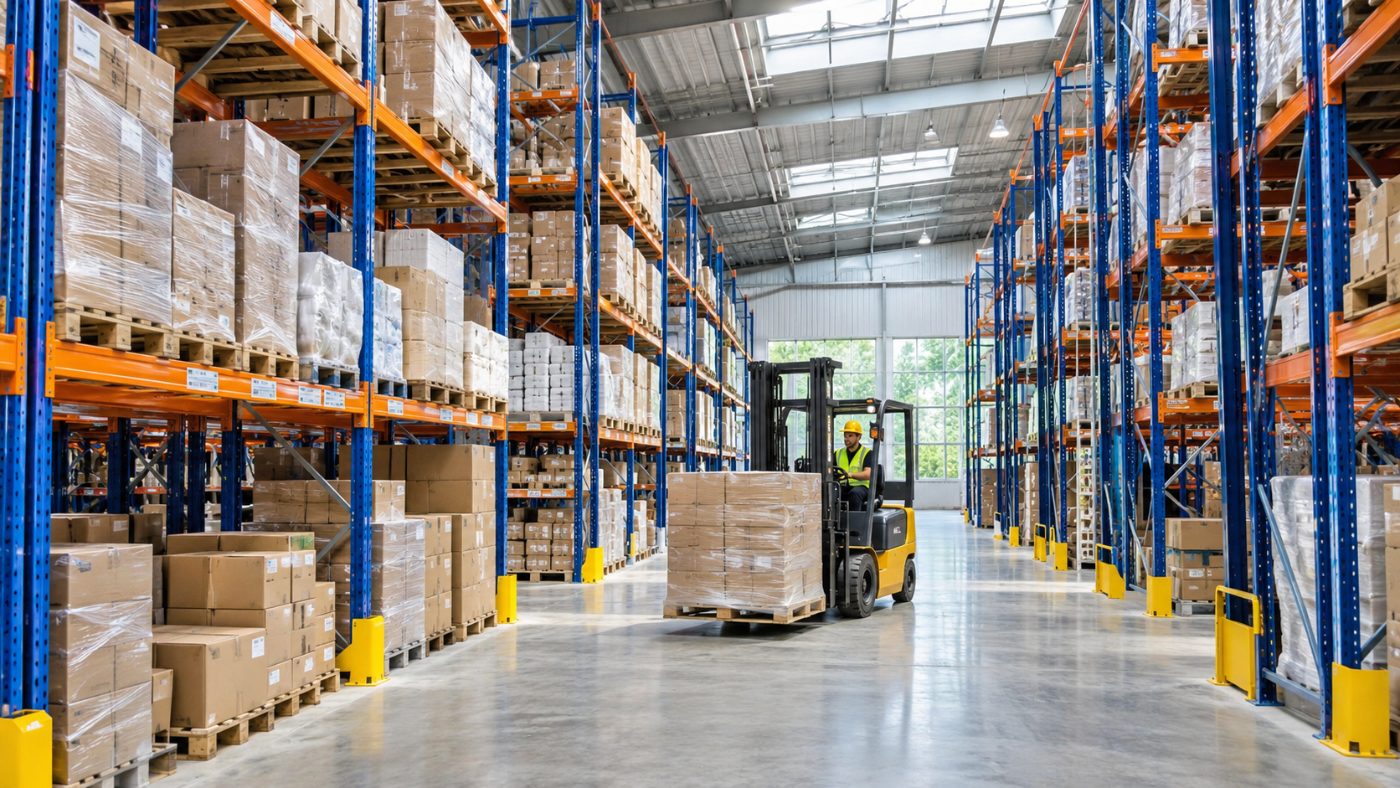
Receiving, storage, order picking and cross-docking of palletized and packaged goods.
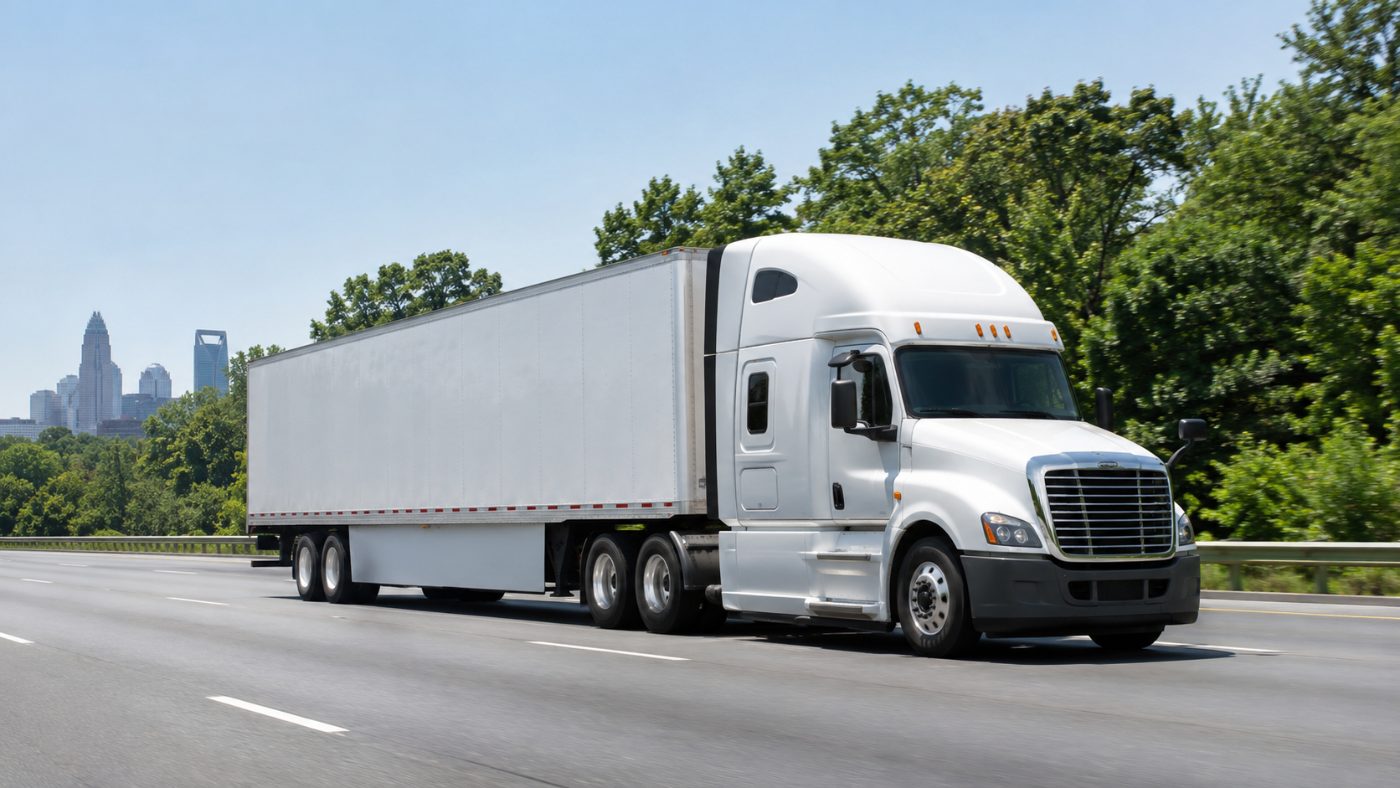
Road transport is the most common way to move goods within the United States. The choice between a full and a shared trailer depends on the size of the shipment, the delivery time and the type of cargo.
A freight forwarder plans and coordinates a shipment on behalf of the customer. This is useful when cargo has to pass through several carriers, warehouses or modes of transport before it reaches the consignee.
The warehouse is where freight waits between transport legs or until a customer needs it. Good warehouse logistics means that every pallet can be found, counted and shipped without delay.
Different cargo needs different equipment. The table below shows the main trailer types used in road freight and the kinds of goods they usually carry. Hazardous materials and oversized loads require separate permits and are discussed case by case.
| Equipment | Typical cargo | Notes |
|---|---|---|
| 53 ft dry van | Palletized and boxed goods, consumer products | Most common trailer for FTL and LTL |
| Refrigerated trailer | Food and other temperature-sensitive goods | Temperature set and recorded during transit |
| Flatbed | Building materials, machinery, steel | Loaded from the side or top, secured with straps |
| Box truck | Smaller local deliveries | Often fitted with a liftgate |
| Warehouse pallets | Standard 48 × 40 in pallets | Stored on racking or on the floor |
Each shipment is different, but most follow the same basic steps. Rates, dates and delivery conditions are agreed separately for each order.
The customer describes the cargo, its weight and size, the pickup and delivery addresses and the required dates.
The dispatcher chooses the equipment and route and confirms the pickup window.
The driver arrives at the shipper, checks the cargo and signs the bill of lading.
The freight goes directly to the consignee or is held at the warehouse until the agreed date.
The consignee receives the goods and signs the proof of delivery.
The customer receives the delivery confirmation and the final shipping documents.
| Monday – Friday | 09:00 – 18:00 |
| Saturday – Sunday | Closed |